10
Years of Experience
Our Treatment Methods
We approach the problem of addiction from all possible angles – the self (body, mind and spirit) and the environment (the family, the friends, the work place, the social place, the wider society) and even the non-human environment. After our inpatient rehabilitation programme, we deliver back the patient to the family a wholesome individual with greater self-awareness, a refined sense of purpose, and a deeper commitment to the well-being of the self, the family and the society. We follow up our patients after they leave our rehabilitation Centre and continue to support them and their families to stay true to their new meaning of Life. Our tried and tested approaches to addiction treatment include, but not limited to the following:
- Detoxification
- Occupational Therapy
- Counselling and Guidance. Etc
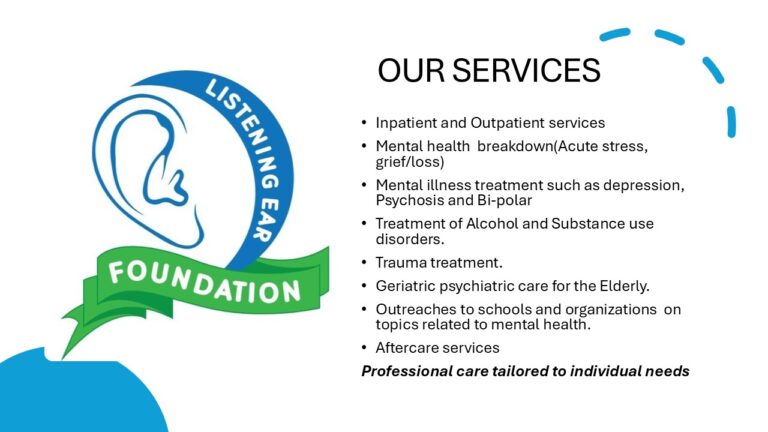
Our Full Range of Services
Family Therapy
The therapy is to help family members to embrace and identitfy how certain behaviours affect the affected individuals
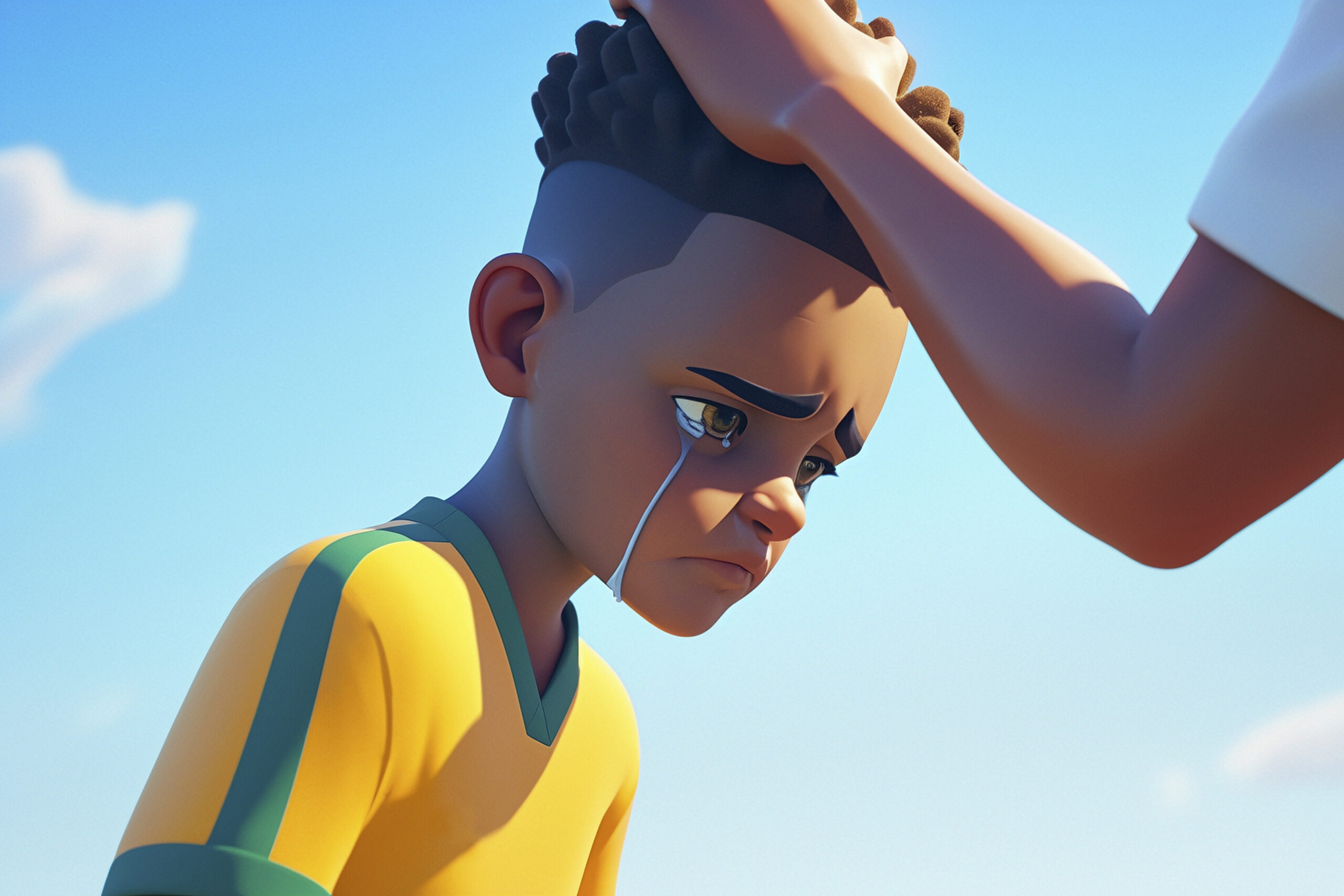
Individual Counseling
This is a weekly practice but can also be arranged anytime outside normal schedule depending on the need of the client It is a process by which a patient is guided, supported and directed by his or her counselor as he or she develops personal strategies and plans the course and expectation of treatment goals. It is designed to help the patients build commitment throughout the process of behavior and attitude modification
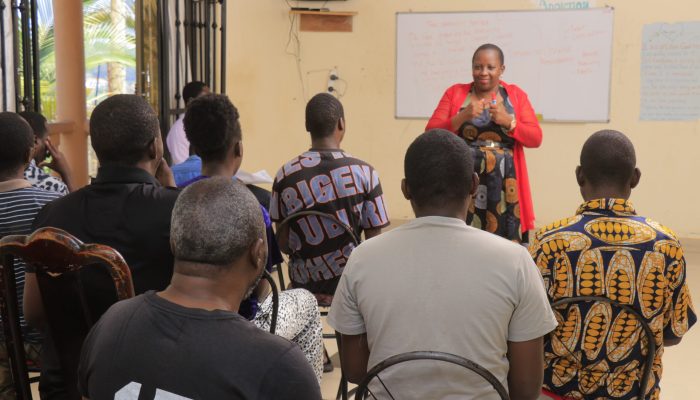
Group Therapy
A daily evening meeting of patients with their leaders but under the supervision of a counselor that focus on the issues facing each person individually as they work on their recovery. They at times take the form of “house” meetings where patients discuss the problems affecting the day to day functioning of the community, emergencies such as irresponsibility, relapses and other infractions in the community. The group therapies are designed to promote positive lifestyle change through peer reinforcement, behavioral modification, mutual support and respect
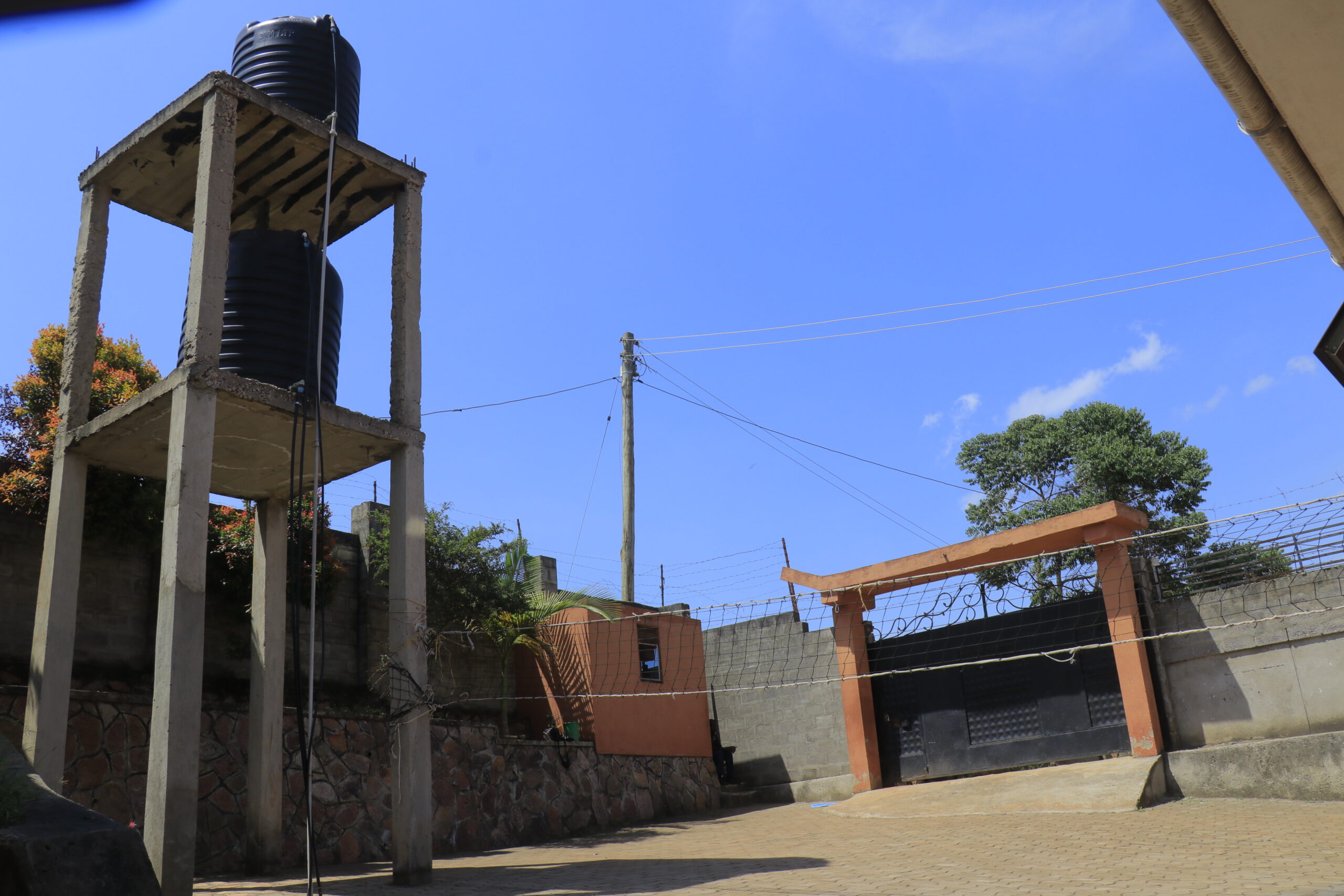
Leisure – Time management
Regularly scheduled and unscheduled self motivated activities (such as sports, exercise,) to help the individual develop ways of relaxing and focusing on positive things (alternative activities) to improve social skills and responsible recreational interactions
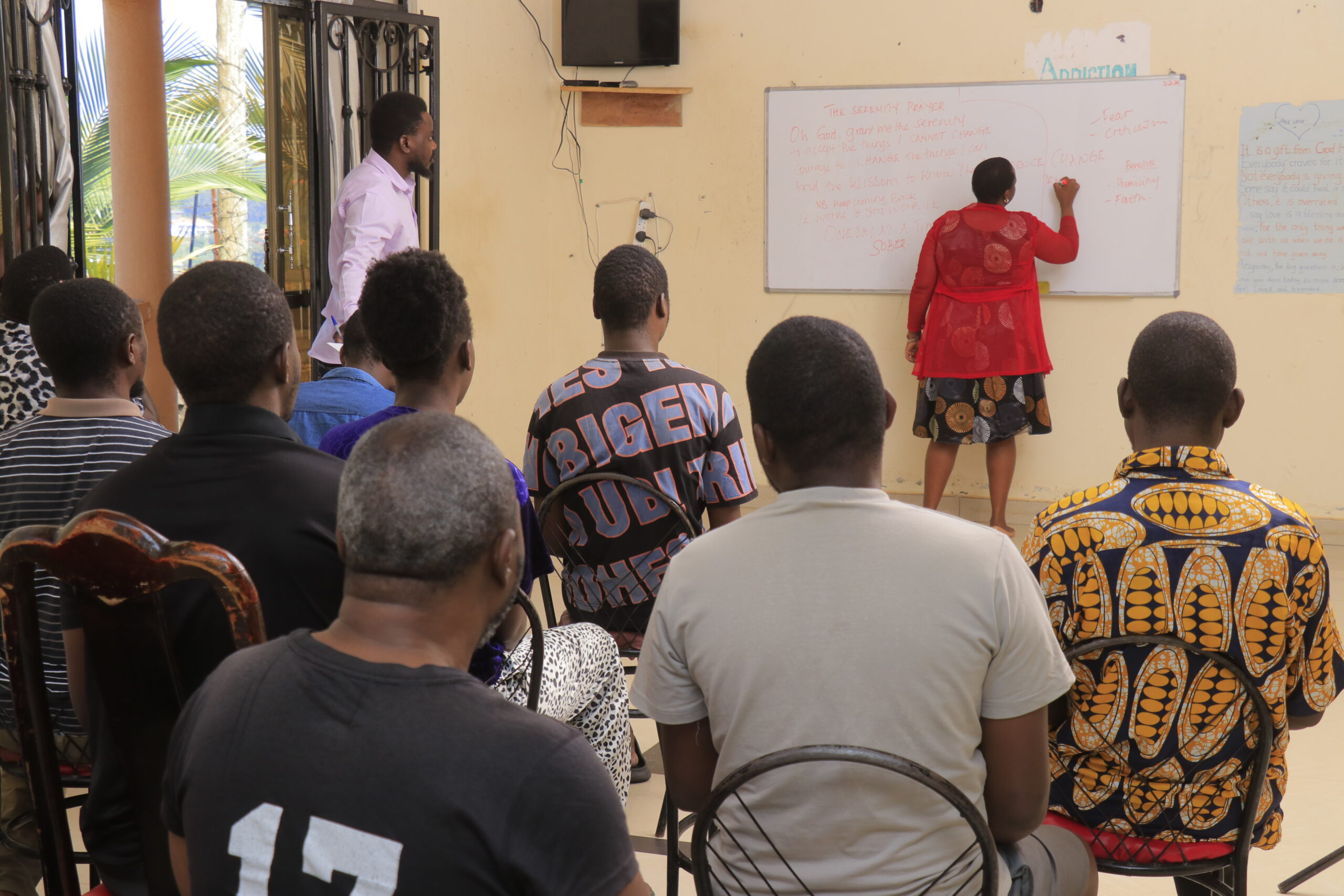
Motivational and Educational lectures
The lectures focus on chemical dependency, recovery, life skills and relapse prevention planning. The motivational lectures encourage behavioral and attitude change by helping the patients to explore and resolve their own issues. They also incorporate problem solving initiatives, teamwork and communication skills, challenging and encouraging changes in the individual’s beliefs, trust and commitment.
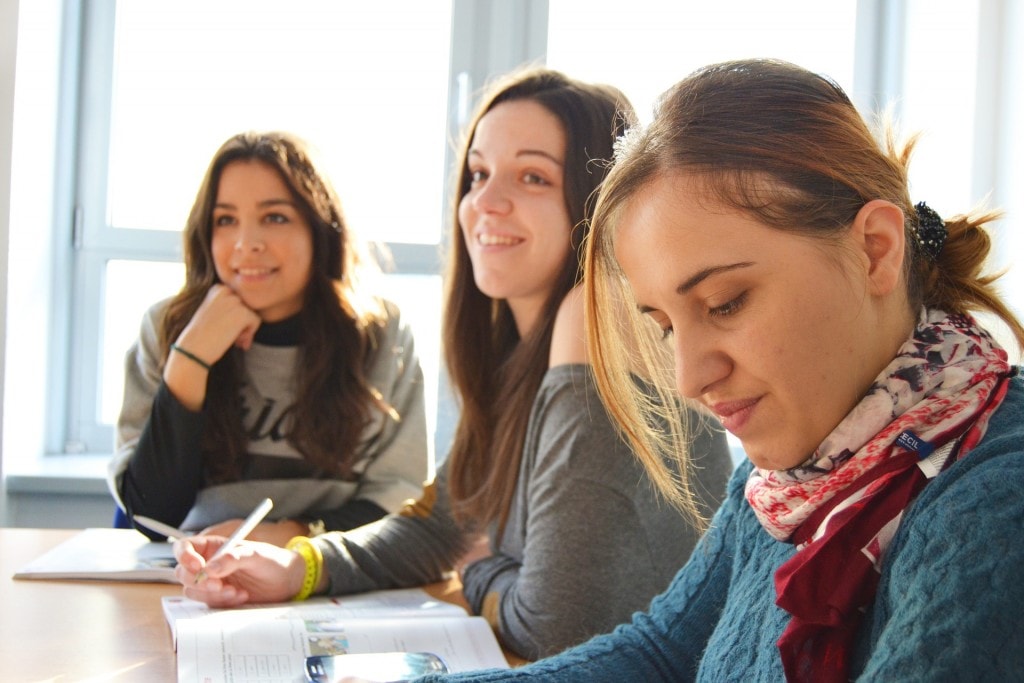
Informal Interactions
This is unstructured interactions where patients share their experiences with each other informally. Through sharing they develop hope by realizing that they are not alone, they are not unique and terrible but that they are experiencing the consequences of an illness. They find they can talk about their hopes and dreams and share their pains and struggles with a supportive person. It is one of the effective aspects of this treatment approach